


Durable Travel Companions: Best Hard-Shell vs Soft-Shell Luggage for Longevity
, by Tariq Rehman, 9 min reading time
, by Tariq Rehman, 9 min reading time
By considering protection, weight, organisation, mobility, and style, you can select luggage that lasts for years while making travel effortless. Investing in quality luggage is investing in stress-free, confident travel — because your suitcase should work as hard as you do.
When it comes to travel, your luggage is more than just a bag — it’s a companion. Frequent trips, airport handling, and tight storage can take a toll on even the sturdiest suitcases. That’s why choosing luggage with durability and longevity in mind is crucial.
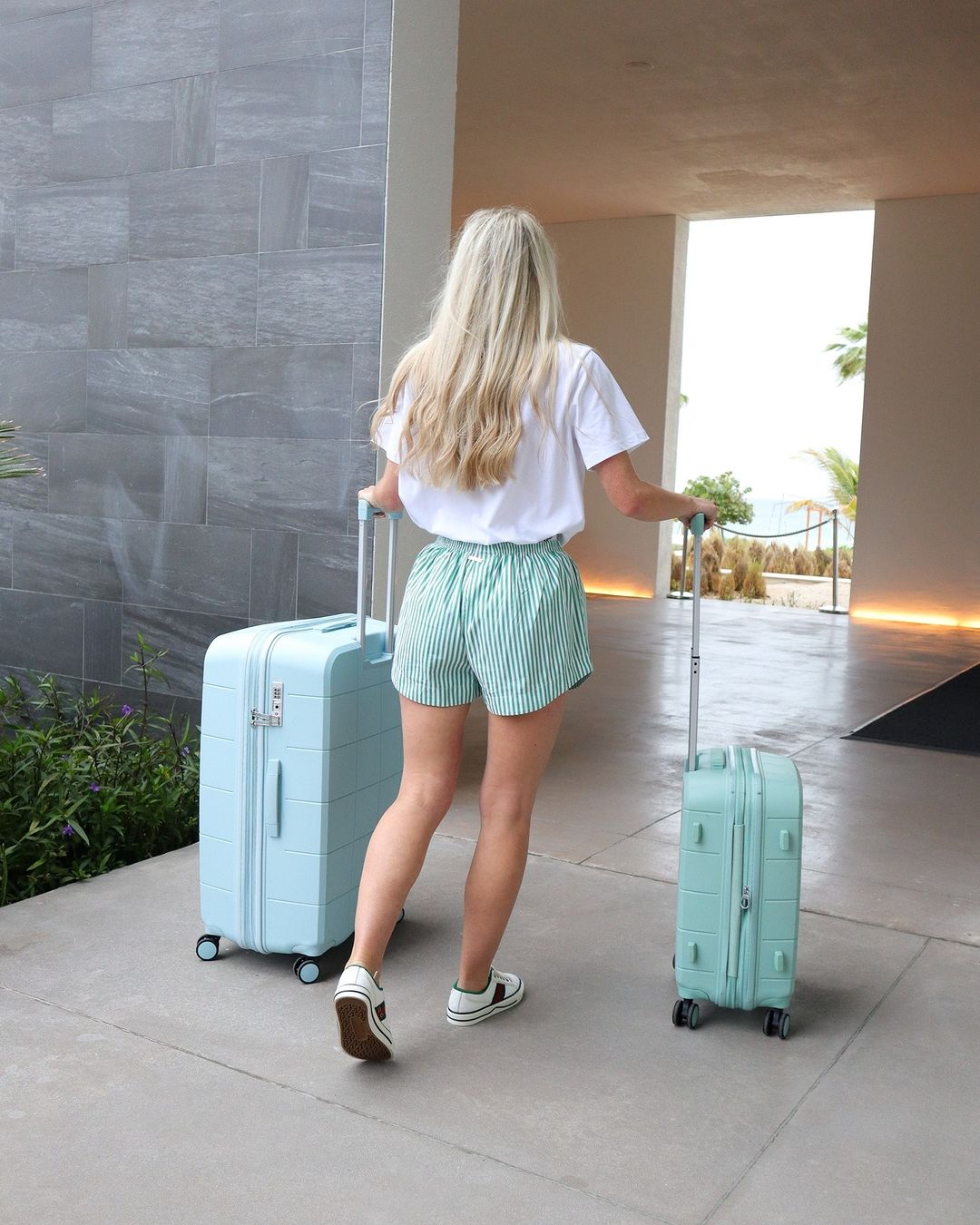
Two main types dominate the market: hard-shell and soft-shell luggage. Each has its strengths, and knowing which suits your travel style can save money, frustration, and time in the long run.

Made from polycarbonate, ABS, or aluminium
Rigid exterior protects fragile belongings
Resistant to water, dirt, and impacts
Often includes integrated locks for security
Maximum protection: Keeps electronics, glassware, or delicate items safe
Longevity: High-quality hard-shells can last a decade or more
Easy to clean: Wipe away dirt or spills effortlessly
Sleek, modern aesthetic: Popular in business and luxury travel
Slightly heavier than soft-shell luggage
Less flexible; can’t squeeze into tight spaces
Minor dents may appear over time, although they usually don’t affect function
Hard-shell luggage is ideal if your trips involve airports, frequent flights, or fragile items. It’s the durable, protective choice for travellers who prioritise security and structure.
Made from nylon, polyester, ballistic fabric, or canvas
Flexible structure allows for overpacking or fitting into tight compartments
Usually includes external pockets for easy access
Often expandable for extra packing space
Lightweight: Easier to lift and carry
Expandable: Provides extra space for shopping or souvenirs
Practical: External pockets allow quick access to essentials
Durable: High-denier fabrics withstand wear and tear when properly cared for
Offers less protection for fragile items
Can stain or absorb water if not water-resistant
Less sleek aesthetic compared to hard-shell
Soft-shell luggage works well for road trips, weekend getaways, or travel that doesn’t involve heavy airport handling. It’s a practical, flexible choice for frequent movers who prioritise ease of use.

| Feature | Hard-Shell | Soft-Shell |
|---|---|---|
| Protection | Excellent | Moderate |
| Flexibility/Expandability | Low | High |
| Weight | Medium to Heavy | Lightweight |
| Durability | Very High | High (depends on fabric) |
| External Pockets | Rare | Common |
| Style | Sleek & Modern | Casual to Professional |
| Best For | Fragile items, frequent flyers, business trips | Road trips, weekend travel, expandable packing |
Tip: Many travellers mix both types depending on trip type. A hard-shell cabin bag for flights and a soft-shell medium bag for road trips covers all bases.
Whether hard or soft, luggage mobility is essential:
Spinner wheels (4-wheel): Glide effortlessly in airports
Two-wheel rollers: Handle rough terrain better
Telescopic handles: Adjustable for comfort
Side/top handles: Useful for lifting luggage into cars or storage
Pro tip: Test the suitcase if possible. A lightweight, durable luggage is useless if it’s cumbersome to navigate through terminals.

Durable luggage should also keep your items organised:
Compression straps: Prevent clothes from shifting
Multiple compartments: Separate electronics, shoes, or toiletries
Removable packing cubes: Ideal for rotating essentials between trips
Expandable sections: Extra space for souvenirs or shopping
Both hard-shell and soft-shell luggage benefit from thoughtful internal organisation, making travel smoother and less stressful.
Protection isn’t just about durability — it’s also about safety:
TSA-approved locks: Essential for air travel
Double zippers: Reduce tampering risks
Hidden pockets: Safeguard passports, cards, or cash
Hard-shell luggage often comes with integrated locks, while soft-shell bags may require external lockable zippers. Both options can provide peace of mind.
Lightweight luggage is particularly important if you travel frequently:
Hard-shell luggage: Slightly heavier but still manageable if polycarbonate
Soft-shell luggage: Generally lighter and more flexible, making overpacking easier
Airline weight limits: Keep in mind checked and cabin luggage allowances
Frequent flyers may prefer hard-shell carry-ons that comply with airline weight restrictions while providing maximum protection.

Regardless of type, longevity depends on care:
Avoid overstuffing: Strains zippers and seams
Clean regularly: Wipe hard-shells; brush soft-shell fabrics
Store properly: Keep luggage in a dry, cool place
Check wheels and handles: Replace damaged parts promptly
A well-maintained suitcase can last 5–10 years or more, making it a wise investment for frequent travellers.
Style matters just as much as function. Consider:
Hard-shell luggage: Sleek, metallic, or minimalist designs
Soft-shell luggage: Range from neutral tones to bright patterns for easy spotting
Professional or casual trips: Choose colours and finishes that match your wardrobe and travel style
Your luggage doesn’t just carry items — it represents your travel style.
When it comes to durability and longevity, both hard-shell and soft-shell luggage have merits. The choice comes down to:
Travel style: Frequent flights vs road trips
Packing needs: Fragile items vs expandable space
Mobility requirements: Smooth airport terminals vs rough terrain
Personal style: Sleek and modern vs casual and practical
By considering protection, weight, organisation, mobility, and style, you can select luggage that lasts for years while making travel effortless. Investing in quality luggage is investing in stress-free, confident travel — because your suitcase should work as hard as you do.


ON YOUR ORDER WHEN YOU SIGN UP FOR EMAIL