


Hard Shell vs Soft Shell Luggage: Which Suitcase Is Better?
, by Tariq Rehman, 8 min reading time
, by Tariq Rehman, 8 min reading time
Choosing between hard shell and soft shell luggage can be difficult when both suitcase types offer different advantages. This guide compares hard and soft luggage based on durability, weight, storage, flexibility, protection, travel convenience and everyday use to help you choose the right suitcase for your trip.
Choosing the right suitcase can make travelling much easier. Whether you're planning a weekend getaway, an international holiday or a long business trip, your luggage needs to protect your belongings while remaining practical to carry.
One of the biggest decisions when buying a suitcase is whether to choose hard shell or soft shell luggage.
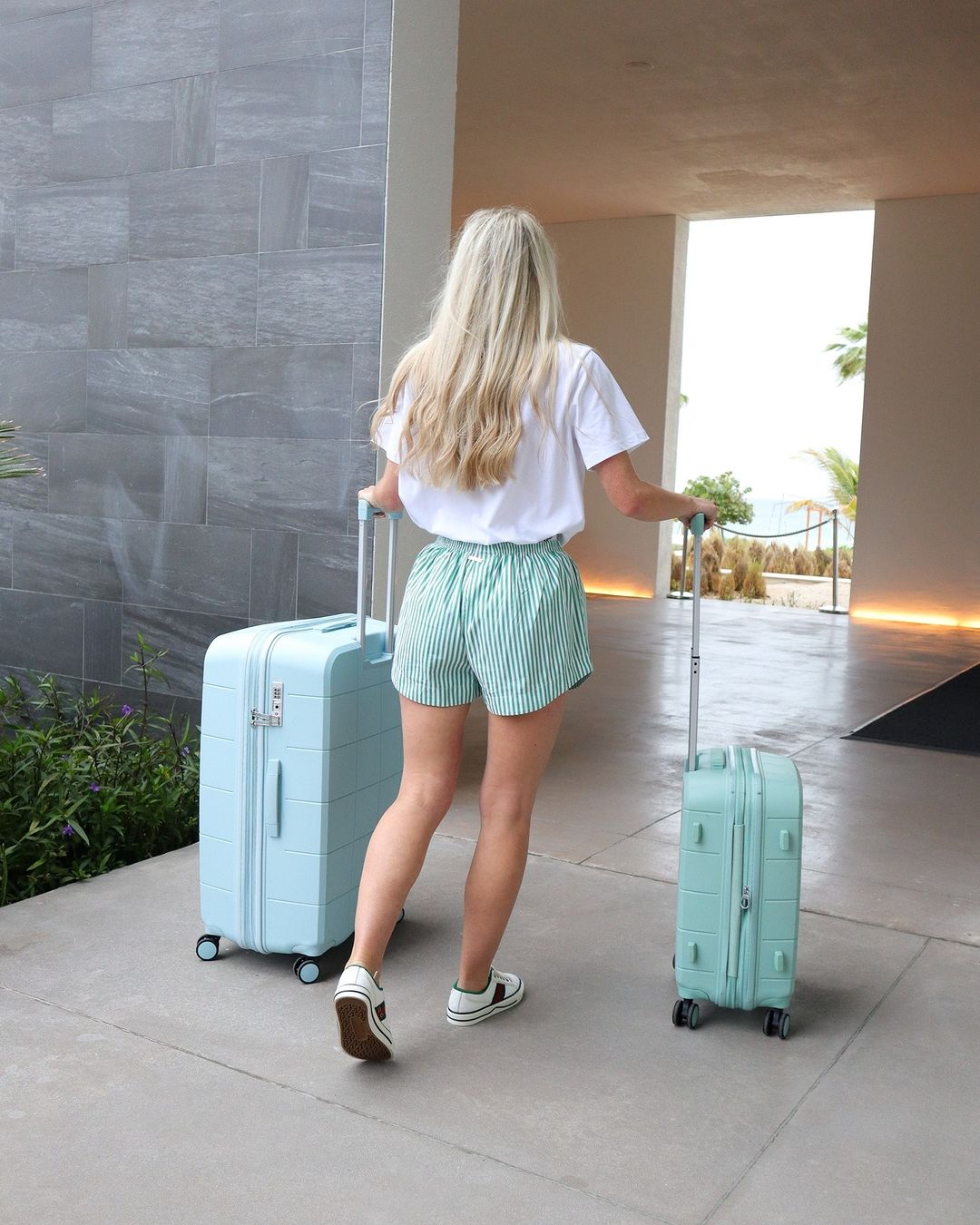
Hard shell suitcases have a rigid exterior designed to provide structure and protection, while soft shell suitcases use flexible fabric materials that can expand and offer additional exterior storage.
Neither type is automatically right for every traveller. The better choice depends on how you travel, what you pack and which features matter most to you.
Let's compare the two.
Hard shell luggage has a rigid outer case made from materials such as polycarbonate, ABS or other durable plastics.
The solid exterior gives the suitcase its distinctive structured appearance and can provide an additional layer of protection around the contents.
Hard shell suitcases are available in a wide range of sizes, from compact cabin luggage to large checked suitcases.
They are particularly popular among travellers who want a modern-looking suitcase with a structured interior and protective outer shell.
Soft shell luggage is generally made from fabric materials such as polyester or nylon.
Instead of having a rigid exterior, the suitcase has a flexible outer surface that can compress slightly when needed.
Many soft suitcases also feature external pockets, making it easy to access items such as travel documents, chargers, books or other essentials without opening the main compartment.
This flexibility can make soft luggage particularly practical for travellers who value accessibility and additional storage.

Durability is one of the first things to consider when buying luggage.
Hard shell suitcases have a rigid exterior that can help protect belongings from external pressure. However, the durability of a hard suitcase depends heavily on the quality and construction of its materials.
A high-quality polycarbonate suitcase, for example, can offer a combination of strength and flexibility.
Soft shell luggage can also be extremely durable. Good-quality fabric suitcases are designed to withstand regular travel, handling and everyday wear.
The key point is that construction quality matters more than simply choosing hard or soft luggage.
A poorly made hard suitcase may not last as long as a well-constructed soft suitcase.
If protecting fragile items is your main concern, a hard shell suitcase may be appealing.
Its rigid exterior provides a structured barrier around the contents and does not compress as easily as fabric luggage.
However, the contents inside the suitcase still need to be packed properly.
Clothing can provide padding around smaller items, while fragile belongings should be protected using appropriate packing materials.
Soft luggage can also protect belongings effectively, particularly when packed carefully.
For everyday clothing and standard travel items, both options can work well.
Weight is another important consideration, particularly when flying.
Airlines often impose luggage weight limits, so the weight of your suitcase itself matters.
Some modern hard shell suitcases are designed to be lightweight, but soft shell luggage can also offer lightweight construction.
Rather than assuming one category is always lighter, check the actual weight of the suitcase before buying.
A lightweight suitcase gives you more of your baggage allowance for the items you actually want to take with you.

This is an area where soft shell luggage can have a practical advantage.
Many soft suitcases feature external pockets.
These can be useful for storing:
Hard shell suitcases generally have a smooth exterior without large external pockets.
However, hard luggage often has a well-organised interior, with features such as dividers, compression panels and zipped compartments.
If easy external access is important to you, soft luggage may be more convenient.
Soft shell luggage naturally offers more flexibility because the fabric exterior can expand or compress.
This can be useful if you tend to bring back souvenirs or additional items from your trip.
Some soft suitcases also include expandable sections that provide additional packing capacity when required.
Hard shell suitcases generally maintain their shape.
This creates a neat, structured appearance but gives you less flexibility when trying to squeeze in additional items.
Hard shell luggage generally has a smooth exterior that can be wiped down relatively easily.
Dust, marks and small spills can often be removed with a suitable damp cloth.
Soft fabric luggage can be more difficult to clean because dirt may become embedded in the material.
However, the cleaning method depends on the fabric and manufacturer's care instructions.
If easy maintenance is important to you, the smooth surface of a hard suitcase may be appealing.

Appearance is subjective, but hard shell luggage often has a sleek, modern appearance.
Its structured shape can give it a premium look, particularly when combined with minimalist colours and polished finishes.
Soft luggage tends to have a more traditional travel appearance.
It can also be available in a wide range of colours and designs, so there are plenty of options for travellers who want something distinctive.
Ultimately, your personal style should guide this decision.
For air travel, both types can work well.
If you frequently check luggage, you may prefer a suitcase that provides a structured exterior and offers good protection.
If you regularly travel with a cabin suitcase and want quick access to your belongings, soft luggage with external pockets can be particularly convenient.
Before travelling, always check the luggage allowance and size restrictions for your specific airline and ticket.
Airline requirements can vary.

International trips often involve multiple forms of transport, long journeys and extended periods away from home.
For these trips, durability, organisation and weight are all important.
A hard shell suitcase may suit travellers who prioritise structured protection and a modern appearance.
Soft luggage may be preferable for travellers who want flexibility, exterior pockets and easier access to smaller items.
Think about your typical travel habits rather than choosing based purely on appearance.
Frequent travellers should focus on the features they repeatedly use.
If you travel several times a year, consider:
The best luggage is the luggage that performs reliably for your particular travel routine.
| Feature | Hard Shell | Soft Shell |
|---|---|---|
| Exterior | Rigid | Flexible |
| Protection | Strong structured protection | Flexible protection |
| External pockets | Usually limited | Often available |
| Flexibility | Lower | Higher |
| Easy cleaning | Generally easier | Can require more care |
| Expandability | Depends on design | Often available |
| Appearance | Structured and modern | Traditional and versatile |
| Organisation | Often structured internally | Often combines interior and exterior storage |
Instead of asking whether hard or soft luggage is universally better, ask what you actually need from your suitcase.
Choose hard shell luggage if you prioritise:
Choose soft shell luggage if you prioritise:
For many travellers, either option can provide an excellent travel experience when the suitcase is well constructed.
So, hard shell vs soft shell luggage—which suitcase is better?
There is no single answer for every traveller.
Hard shell suitcases offer a structured exterior and can provide excellent protection and easy cleaning. Soft shell luggage offers flexibility, accessible exterior storage and convenient expansion.
The most important factors are ultimately quality, size, weight, construction, organisation and how you travel.
Whether you're buying cabin luggage for weekend trips or a large suitcase for international holidays, take the time to consider what you actually need from your luggage.
The right suitcase should make travelling simpler—not more complicated.
Looking for luggage for your next trip? Explore the suitcase and luggage collection at Upper Class Fashion to find practical options for different travel needs, from short breaks to longer journeys.
Choose your luggage based on the size, features and style that fit your travel plans, and you'll be ready to pack with confidence for your next adventure.


ON YOUR ORDER WHEN YOU SIGN UP FOR EMAIL